
For Ar*’s Sake
A Treatise on Aesthetics (Part I)

Sexual exhaustion (is this even a thing?). Borgo, Roma. April 6, 1520. Thirty-seven years old. The High Renaissance.
Drunk driving. East Hampton, New York. August 11, 1956. Forty-four years old. Abstract Expressionism.
While they were both relatively young when they died, the similarities for the most part end there, had it not been for the fact they were each among the most famous artists of their generations. However, they died over 420 years apart, nearly 4,300 miles away, and from two totally different causes.
Raphael and Jackson Pollock were undisputed masters in their respective movements. Immortalized in the immense, highly influential bodies of work they left behind, the world will likely talk about them until the end of time.
But why am I talking about them? Because—aside from being a major fan—by taking a look at some of their distinct traits and what they meant for the evolution of not just painting, but all art, I’m able to take a deeper look at my own artistic philosophy and predilections.
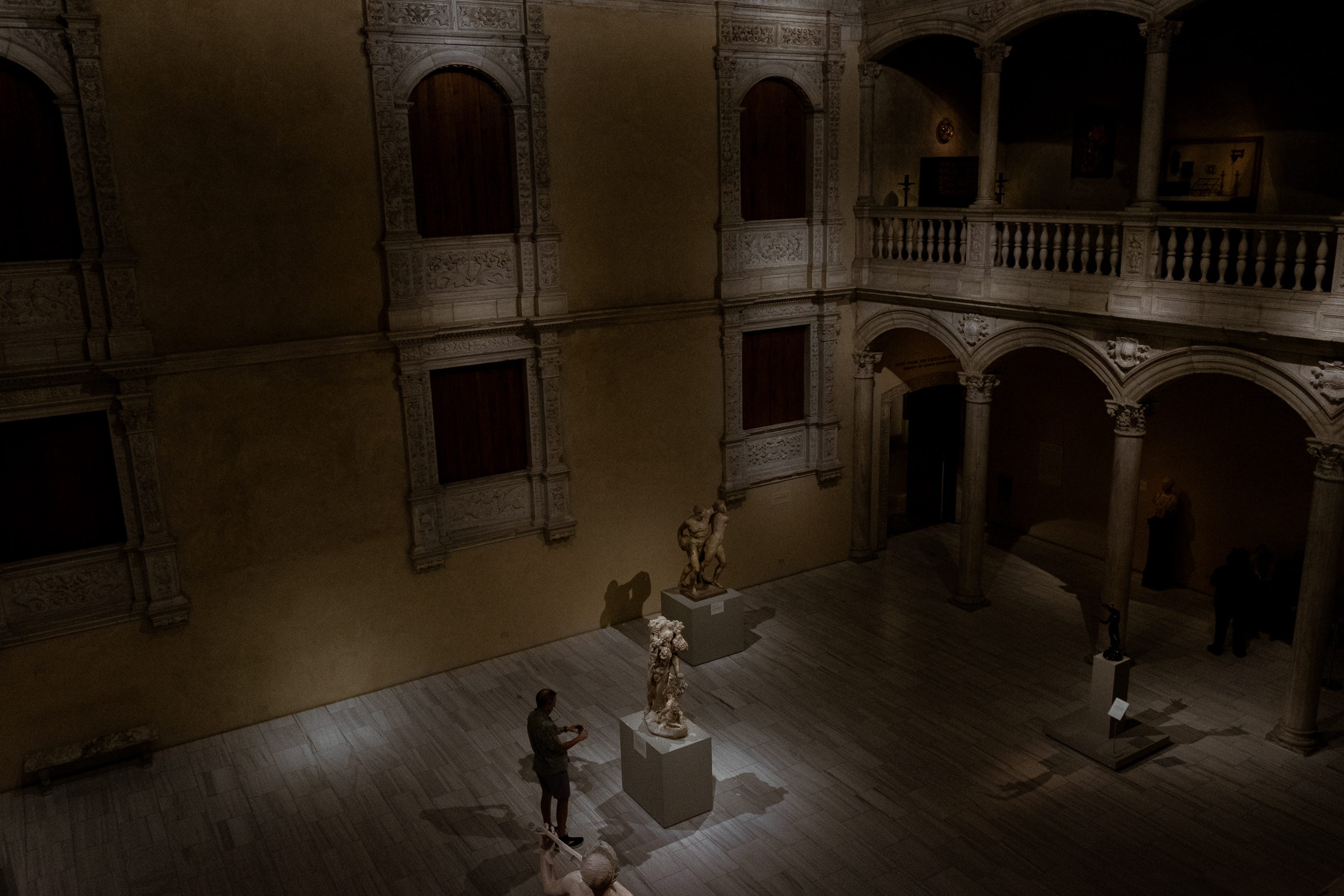
High on Renaissance
Raffaello Sanzio da Urbino, commonly known as Raphael, one-third of the great masters of the High Renaissance (which included Leonardo da Vinci and Michelangelo), was nearly unparalleled during his lifetime when it came to artistic representation.
Commissioned by the likes of Pope Julius II to paint many of the most famous works in the Apostolic Palace at the Vatican, such as The School of Athens, a fresco depicting western civilization’s greatest thinkers, such as Plato and Aristotle alongside Socrates and Pythagoras, Raphael conceived of a body of work, which included hundreds of standalone paintings, drawings, sketches and tapestries, and also featured incredibly detailed and innovative portraits of wealthy patrons, his friends and of course himself.
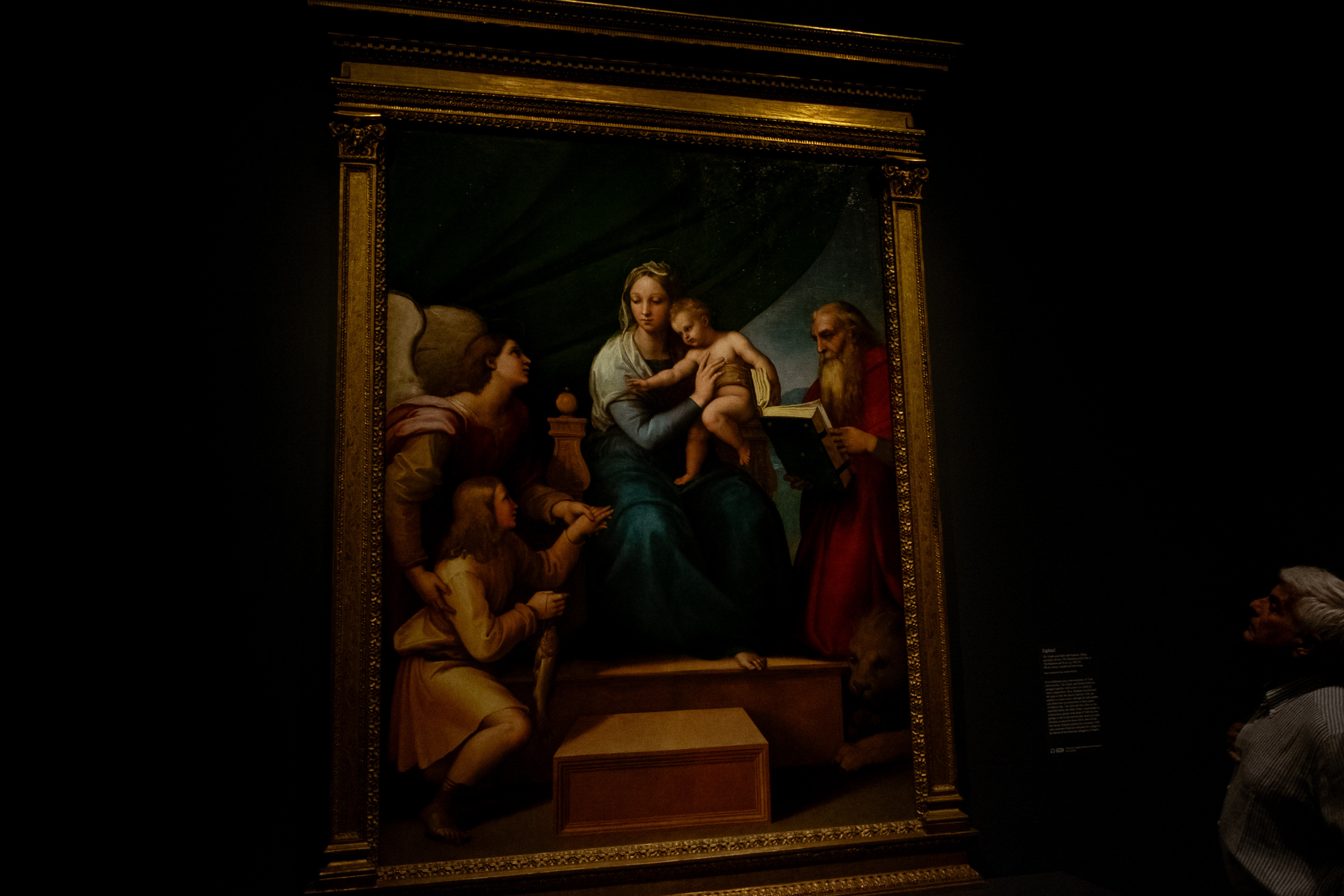
Anatomy was extremely important during this time, with many painters expending vast amounts of energy pushing the boundaries of how subsequent artists would depict the human body and facial features for centuries to come.
This goes to show that representation, whether it be who the paintings were portraying, how accurately the models were captured, or simply the story being told, was the pinnacle of artistic achievement.
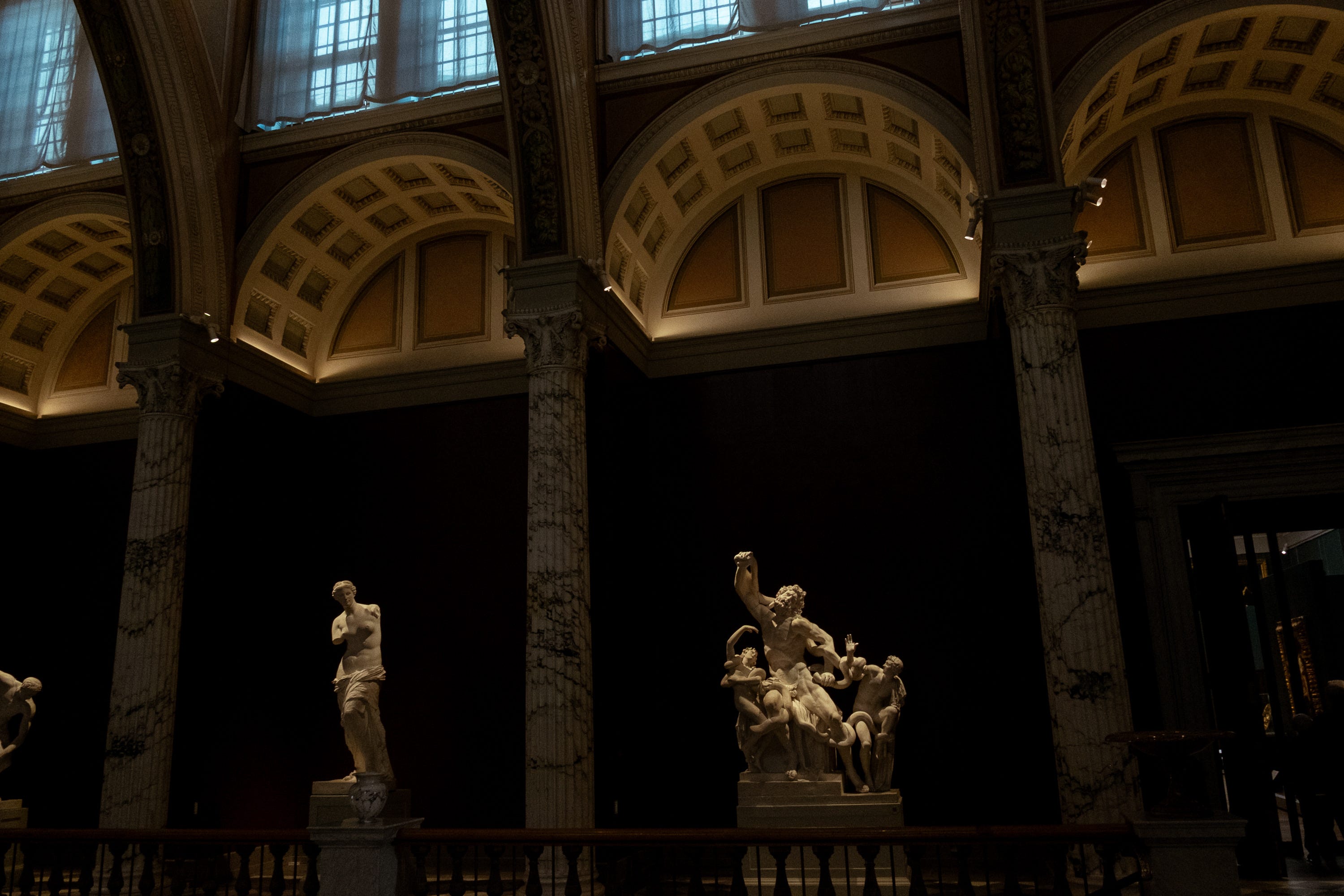
The art of painting in Western Europe continued to evolve, ushering in the Baroque period’s extreme contrast between light and dark, as seen in works by Caravaggio and Rubens; Neoclassicism’s smooth scenes of self-sacrifice, popularized by Jacques-Louis David’s academic studies; Romanticism’s lush, vibrant landscapes, dramatized by Casper David Friedrich; Impressionism’s depiction of a world filled with breath and motion, achieved by the groundbreaking techniques of Monet and Van Gogh; the Surrealism of Dali; the cubism of Picasso.
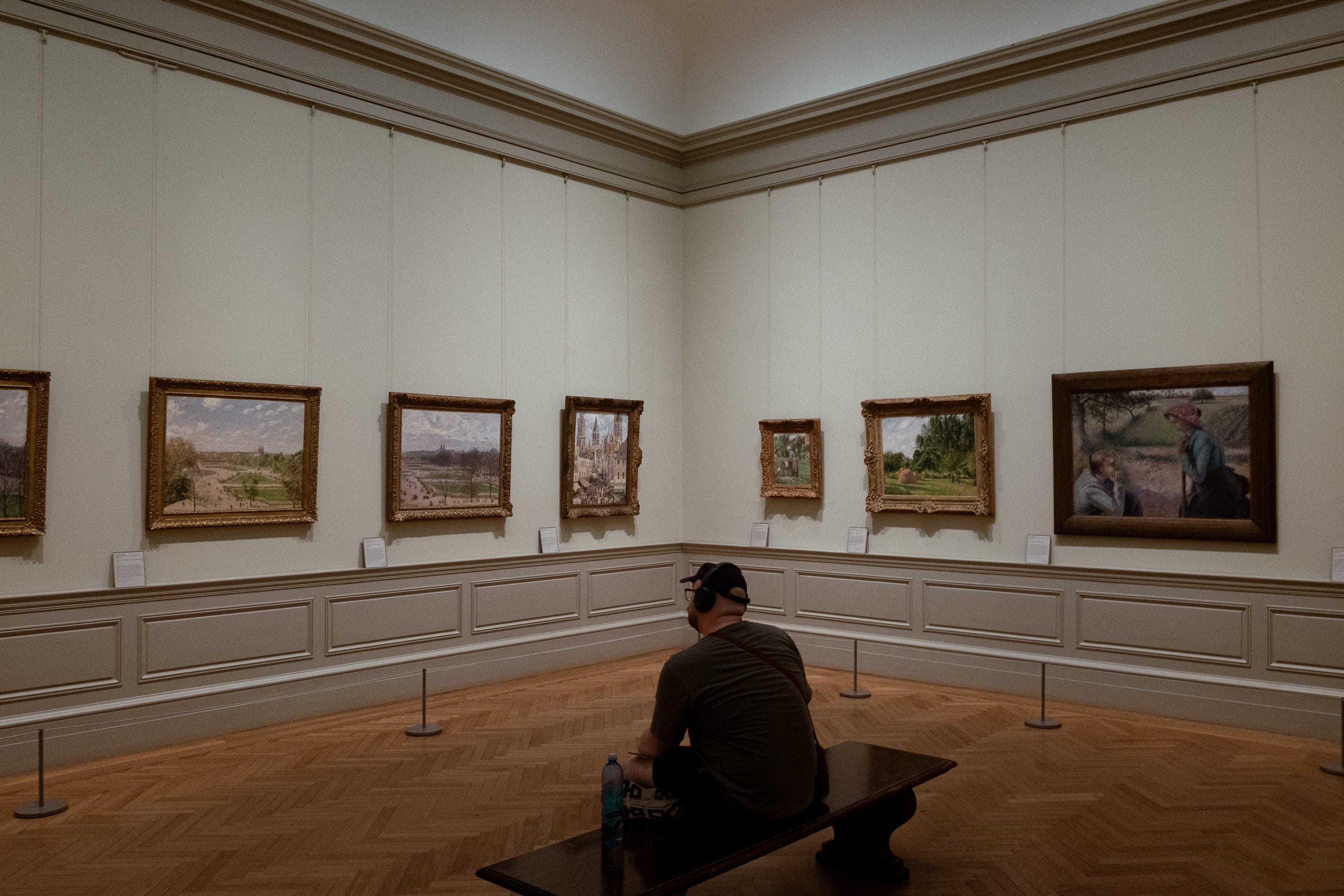
Breaking Boundaries
But beyond merely listing different movements, let’s zoom in on one in particular: action painting, a form of abstract expressionism popularized by Willem de Kooning, Franz Kline and Jackson Pollock.
These guys were known as The New York School and kicked off a whole new dimension of modern art, marking a drastic paradigm shift. While it broke from traditional approaches, like its predecessor impressionism, it actually took things a step further.
In an effort to not just break boundaries but take a stick of dynamite and blow them into particle dust, Pollock, the central figure of the movement, decided he wasn’t going to depict the outside world at all, opting instead to focus on the world within.
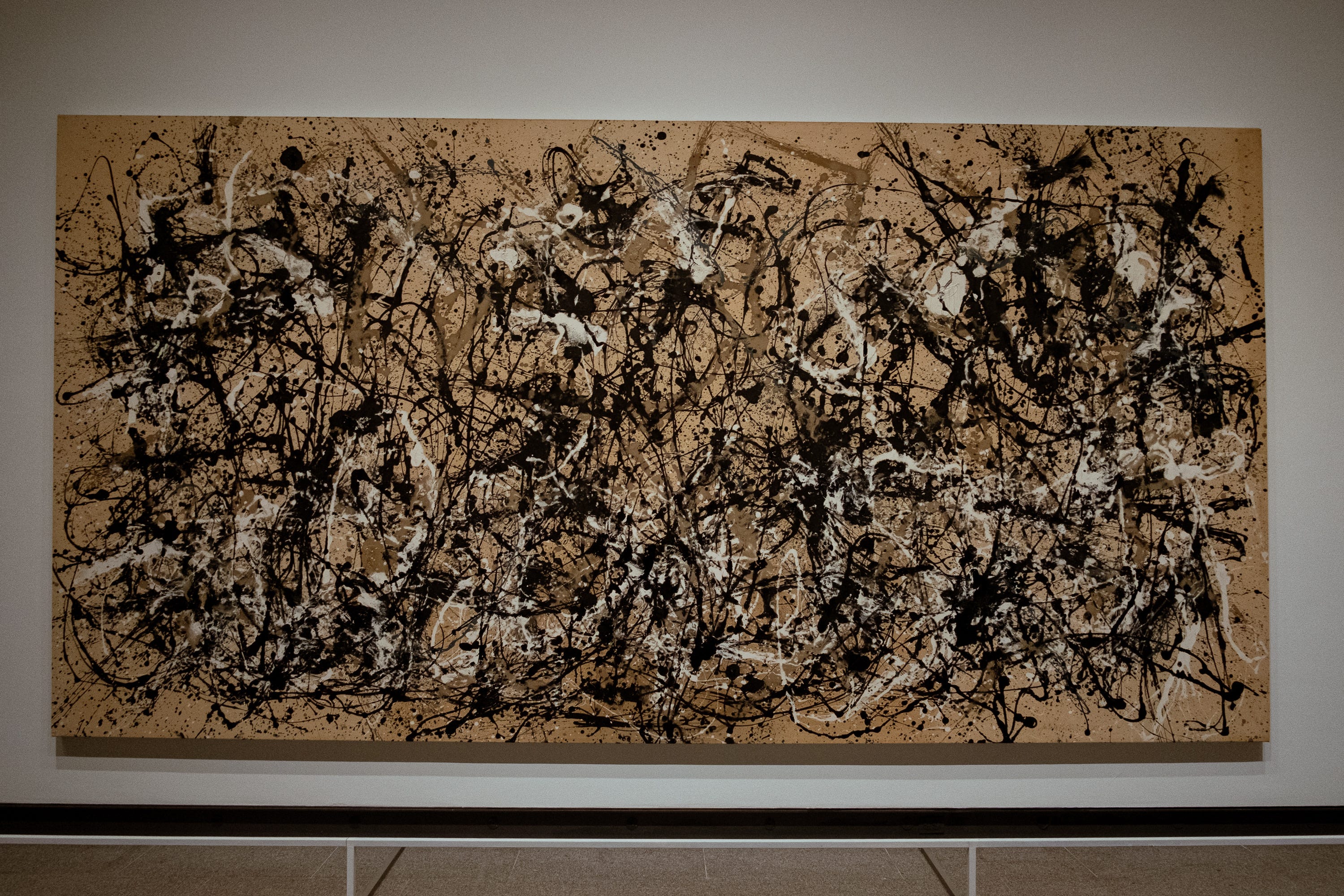
This meant portraits, landscapes, biblical tales, literature-inspired themes, all that stuff was out the window. The goal now was to depict raw emotion, energy through the painters’ physical movements, hence action painting.
Treating the canvas as an object to be looked at, not looked through for a deeper meaning or narrative, emotional evocation was the prime objective. How did the physical appearance of the canvas, not what it represented, affect you?
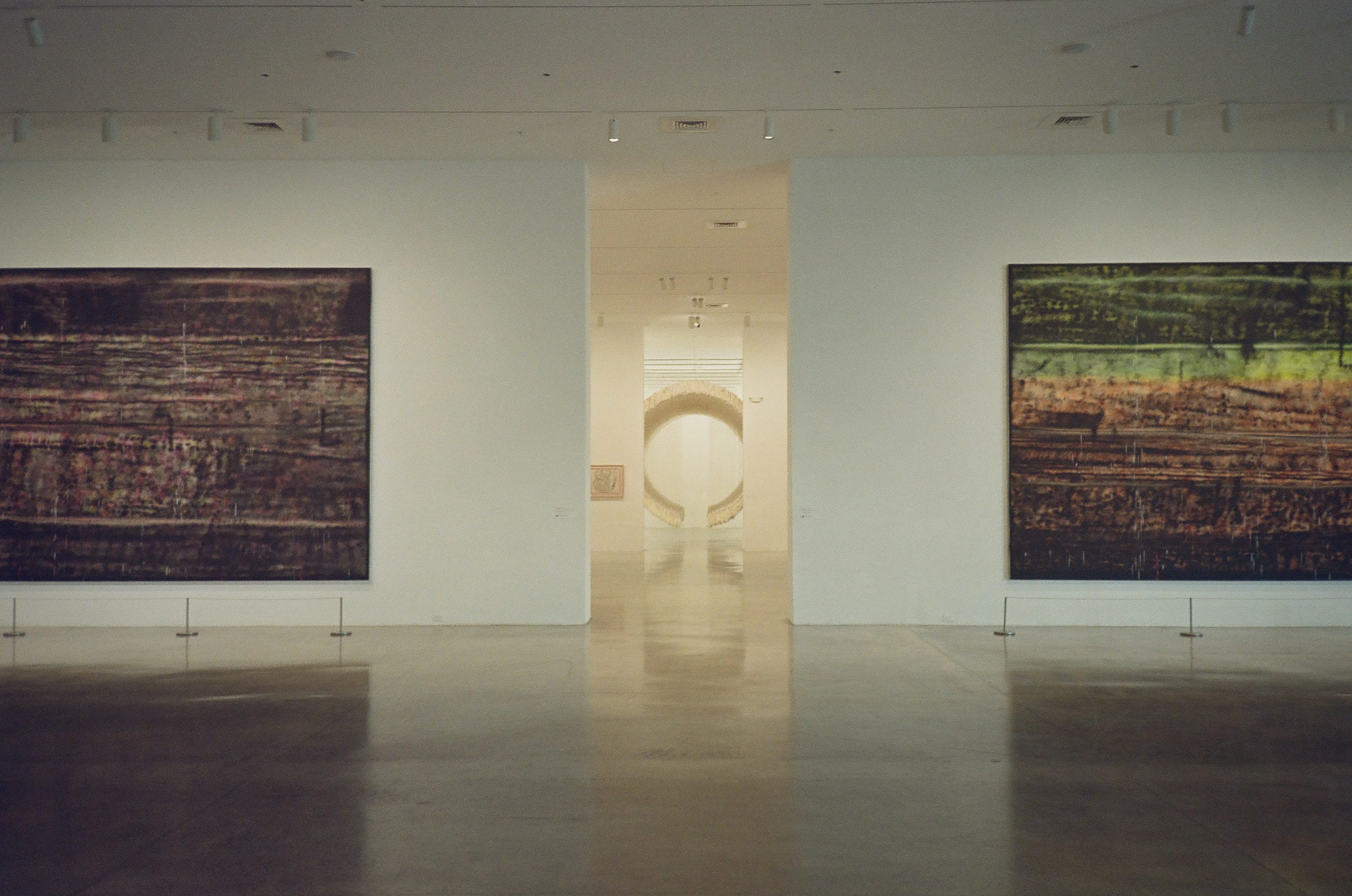
Gass, Ether, Ethereal, Ephemerality, Beauty
One of my favorite authors and arguably one of the greatest literary theorists of all time, William Gass, held strong beliefs surrounding the role of literature, particularly the literary language found in poetry and novels, as opposed to scientific or journalistic prose. He saw literary works as architecture, opaque and full of structures not solely for serving a utilitarian function but instead intended to be admired in their own right.
His postmodern masterpiece, The Tunnel, is jarring at first, but such a remarkable example of how one can truly make the language sing. Dealing with highly disturbing subject matter from the perspective of one the most bigoted, selfish, and an altogether nasty individuals of twentieth century literature, the novel is built from Gass stringing sentences together in a manner as sublime as Milton’s Paradise Lost. Here’s a brief example, sans any “relevant” context:
“I told Martha once more about the time a bolt of lightning struck a landing window at the very moment my mother was descending the stairs, and how powered glass had filled her hair so it looked like the head of a fall weed, the bolt blowing away her blood, too, like foam from a beer, and leaving her faint. Later, after she had had shock treatment and her hair was white with alcohol and age, she would be disoriented again as she was then.”
-William Gass, The Tunnel

He aimed to elevate language so it would transcend an existence solely intended for interpretation. Beyond just conveying a message, the language itself was to be the point. The way it sat on the page, the feeling of the words in the mouth. In direct opposition of scientific, philosophic or journalistic writing, the primary objective was to rise above merely communicating, and to exist as a work of art in itself.
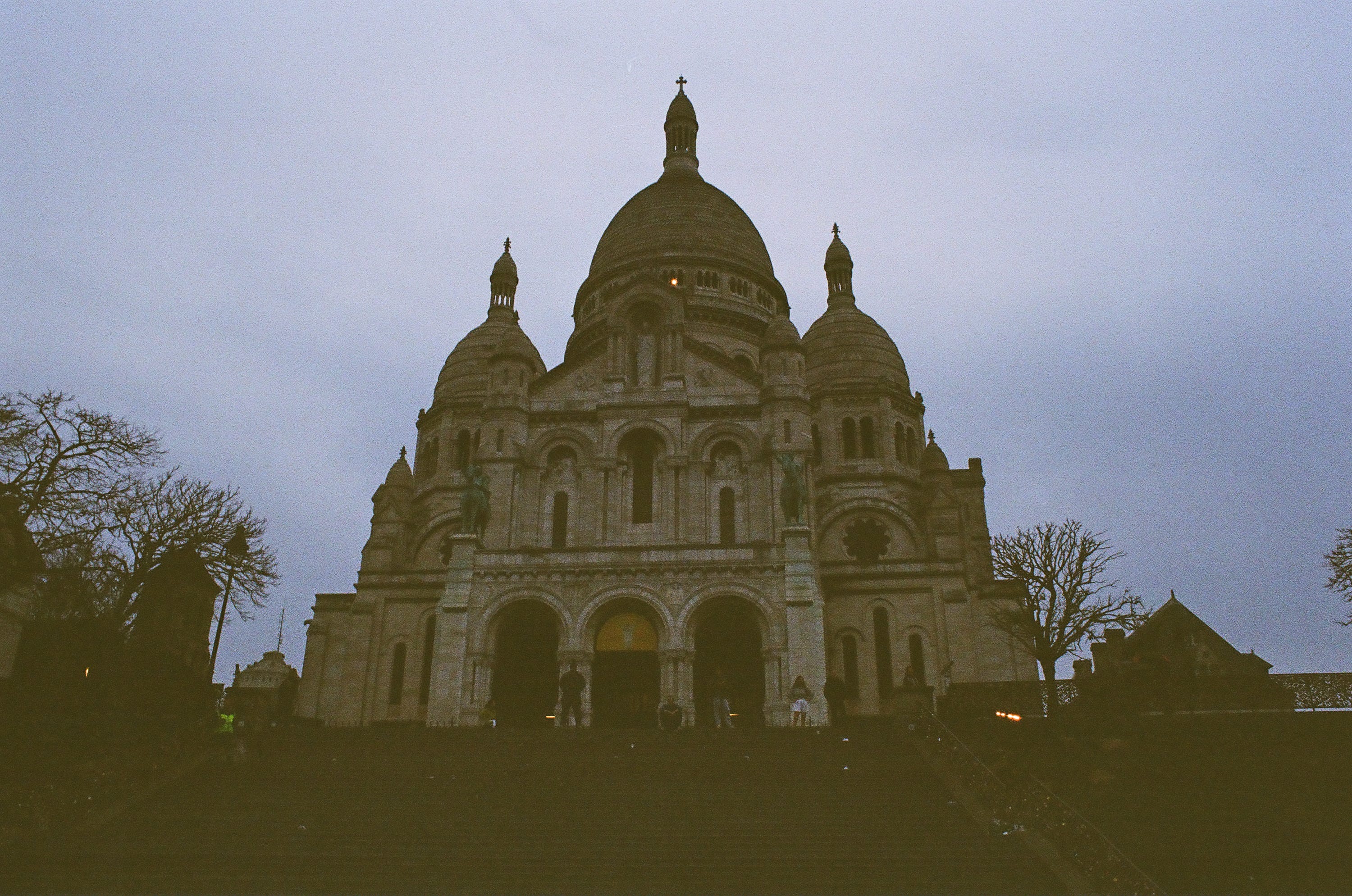
“I can hold a stone to the light, set it in silver, let it decorate my finger, even permit it to reveal my marital intentions, but I’m not supposed to walk through Kant as through a cathedral, admiring the beauties of the nave, transept, and choir, curious about the catacombs, dubious about the dome, and positively frightened by the spire.”
-William Gass, Carrots, Noses, Snow, Rose, Roses, from his 1978 essay collection World Within the Word
At times he could be hilariously sarcastic, hammering home a point with elaborate irony just to illustrate just how serious he was about literature’s true role:
“Only the writer who writes to provide such carless strolls is worse, they say. This villain who puts words together with no intention of stating, hoping, praying, or persuading… only imagining, only creating… is to many immoral, certainly frivolous, a trivial person in a time of trouble (and what time is not?), a parasite upon whatever scrofulous body the body politic possesses at that moment. And roses are intolerably frivolous too, and those who grow them, and snowmen and those who raise them up, and drinking songs and drinking, and every activity performed for its own inherent worth.”
-William Gass, Carrots, Noses, Snow, Rose, Roses, from his 1978 essay collection World Within the Word
Even when articulating the anti-utilitarian role of literature, and art as a whole if you think about it (and yes, that means not everything needs to have a message that requires decoding), he’s still using language in the most dazzling way. One can sit back and appreciate the beauty of the words, like a fine wine or an autumn breeze, ruminating on his sentences, brick by brick, as they’re absorbed through the membrane of the mind.
World Within the Word also features a thought-provoking essay, which takes a critical stance on Jean Paul Sartre as he began advocating for the “People’s Theatre,” intended to serve a higher social purpose through the art of drama. According to Gass, the issue was that Sartre, admittedly one of the most important philosophers of his time, who also happened to be a major advocate for socialism in France in the 1960s, made a name for himself attacking the bourgeoisie. The bourgeoisie, known for their materialism and their steadfast belief in the individual pursuit of happiness, also placed a high value on utilitarianism.
Like Pollock, Gass’s ultimate goal was not representation. When the critics say: “Yes, this is nice, but what does it mean,” they are simply missing the point. It means nothing more than what it is: a string of words, a collection of brush strokes. I believe the more important question will always be: “How does it make you feel?”